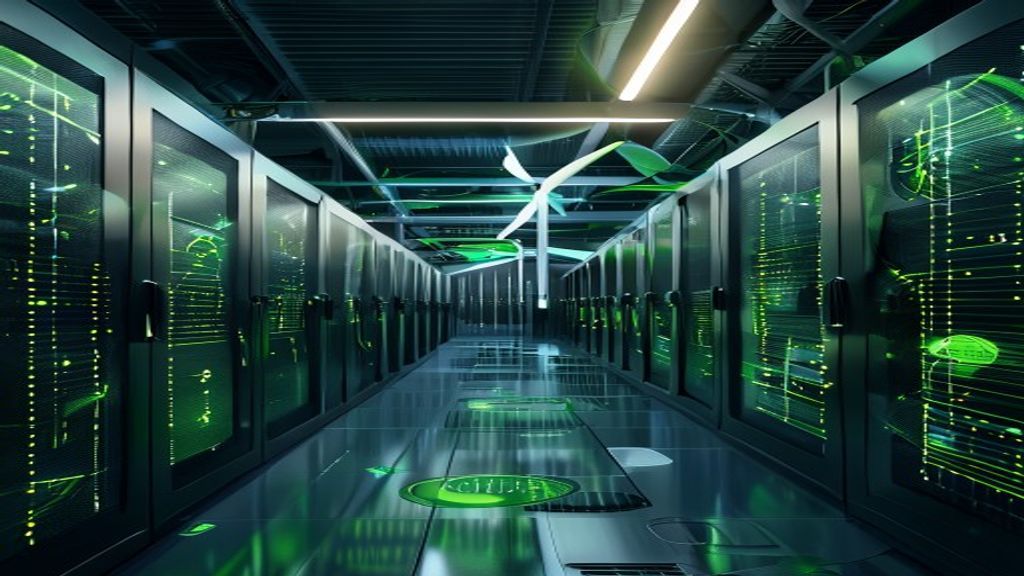
Technology is everywhere—and so is its footprint. From data centers humming in the background to laptops, servers, and networks quietly moving our world forward, the digital economy consumes energy, materials, and water. The good news: the future is increasingly sustainable. The emerging wave of sustainable tech and Clean IT is reshaping how organizations design, buy, operate, and retire technology.
In this article, we’ll explore what Clean IT really means, where today’s solutions fall short, and how advances in efficiency, renewable energy, circular hardware, and intelligent software will define the next era of green computing. Whether you’re an IT leader, sustainability manager, or business strategist, you’ll find practical insights and forward-looking trends to help you plan for the future.
What Is Clean IT, and Why It Matters
Clean IT is an approach to information technology that reduces environmental impact across the entire lifecycle: manufacturing, shipping, operation, maintenance, and end-of-life disposal or reuse. It’s not just about buying more energy-efficient devices—it’s about building a more responsible digital infrastructure.
Clean IT focuses on four major areas:
- Energy efficiency to reduce electricity demand.
- Cleaner energy sourcing (renewables, low-carbon electricity, smarter power procurement).
- Resource efficiency (materials, hardware utilization, and reducing waste).
- Lifecycle thinking for procurement, upgrades, refurbishment, and recycling.
Why it matters now: regulations, customer expectations, and the sheer scale of cloud and data center growth are pushing sustainability from “nice-to-have” to measurable business responsibility.
The Sustainability Gap in Modern Technology
Despite progress, many organizations still struggle to quantify and reduce their digital footprint. Common challenges include:
- Energy is only part of the story: a device’s manufacturing emissions can be significant, but lifecycle emissions are often overlooked.
- Unclear ownership of impact: sustainability teams and IT teams may track different metrics, slowing decisions.
- Low visibility into data center operations: power usage effectiveness (PUE) tells part of the story, but not workload efficiency or hardware utilization.
- Rapid refresh cycles: devices and servers are replaced before they reach the end of their useful life.
- Hidden emissions in software: inefficient applications can increase compute time, storage needs, and network traffic.
The future of sustainable tech is about closing this gap with better measurement, better design, and smarter operations.
Energy Efficiency Will Be the First Wave of Change
Energy efficiency has long been the entry point for green IT. The next phase focuses less on incremental improvements and more on system-level optimization.
1) Smarter Data Centers and Liquid Cooling
Data centers are evolving from “bigger rooms full of servers” to highly optimized energy systems. Technologies like advanced cooling, improved airflow design, and increasingly liquid cooling can reduce energy consumption and support higher-density computing.
Expect growth in:
- Near-IT cooling and rear-door heat exchangers
- Direct-to-chip or immersion cooling in suitable environments
- Dynamic thermal management linked to workload patterns
2) Workload-Aware Infrastructure
One of the biggest opportunities is aligning IT resources with real demand. Future sustainable tech will lean on “right-sizing” at the compute level—using the smallest capable resource footprint for each workload.
Key trends include:
- Autonomous scaling policies based on performance and carbon targets
- More granular container and server utilization monitoring
- Waste-aware scheduling that reduces idle power draw
3) AI for Efficiency, Not Just Automation
Artificial intelligence can help reduce energy use when applied responsibly. AI-driven optimization can improve:
- Predictive maintenance (reducing inefficient failures)
- Cooling optimization (lowering energy use)
- Demand forecasting (avoiding over-provisioning)
In the future, AI won’t only automate operations—it will optimize them against sustainability metrics as a first-class goal.
Clean Energy and Carbon-Aware IT Operations
Even the most efficient systems rely on electricity. Clean IT therefore increasingly emphasizes carbon-aware operations and renewable energy sourcing.
1) Renewable Energy Procurement and On-Site Generation
Many organizations will shift from simply “reducing usage” to “reducing carbon.” This includes buying renewable energy through power purchase agreements (PPAs), expanding on-site solar where feasible, and investing in clean energy credits aligned to actual consumption.
2) Carbon-Aware Workload Scheduling
In many regions, the carbon intensity of electricity varies by time and weather. Carbon-aware scheduling routes compute tasks to periods when the grid is cleaner. This is particularly useful for:
- Non-urgent batch jobs
- Background processing and analytics
- Training runs that can tolerate longer timelines
As tooling matures, expect more IT platforms to support carbon-aware policies out of the box.
3) Scope 2 and Scope 3 Integration
Clean IT is becoming more integrated with corporate greenhouse gas reporting. The future will likely require tighter linkage between IT operations and emissions reporting frameworks, ensuring that sustainability data reflects reality—not just estimates.
This means improved metering, better mapping between workloads and energy use, and more transparency in supplier emissions.
Circular Hardware: The End of the Default Upgrade Cycle
Sustainable tech isn’t only about energy. It’s also about reducing the environmental cost of producing hardware in the first place. A major driver of emissions and waste is the extraction and manufacturing of electronics.
1) Design for Repair, Reuse, and Refurbishment
The next era of Clean IT will push organizations toward:
- Modular components that are easier to repair
- Longer device lifecycles (e.g., extended support and security updates)
- Refurbished hardware as a standard procurement path
2) Right-to-Use and Right-to-Retire Policies
Rather than replacing devices on a fixed calendar, future IT strategies will use actual utilization and performance needs. “Right-to-use” ensures devices remain in service longer, while “right-to-retire” prevents overuse beyond operational efficiency.
3) Recycling That Actually Works
Recycling must be more than a checkbox. Responsible recycling focuses on certified handling, material recovery, and tracking to ensure e-waste doesn’t end up in low-regulation channels.
Expect stronger requirements for chain-of-custody, vendor transparency, and improved recycling outcomes.
Software Sustainability: Building Efficient Apps for a Low-Carbon Future
Software can be one of the highest leverage points for Clean IT. Inefficient code doesn’t just slow users—it can increase compute, storage, and network consumption. As companies adopt more carbon reporting, software efficiency will become a competitive advantage.
1) Sustainable Coding Practices
Sustainable software engineering includes:
- Optimizing database queries and reducing unnecessary data retrieval
- Minimizing background jobs and reducing polling
- Using efficient algorithms and caching strategies
- Right-sizing and tuning runtime configurations
2) Observability for Carbon and Resource Use
Future platforms will provide deeper insights than “CPU high” or “latency increased.” Expect integrated dashboards that show:
- Resource usage per service and per feature
- Impact of deployments on compute demand
- Carbon intensity estimates tied to workloads
When teams can see environmental impact alongside performance metrics, sustainable decisions become easier and more consistent.
3) Green DevOps and Continuous Optimization
Instead of treating sustainability as a one-time project, organizations will adopt continuous optimization—automated checks in CI/CD pipelines for energy-hungry changes, and performance budgets that also reflect resource budgets.
Data Management: Less Storage, Smarter Retention, Better Governance
Data growth is accelerating in nearly every industry. Storing more data for longer can increase both operational cost and emissions. Clean IT will require disciplined data governance.
1) Data Lifecycle Policies
Future sustainable tech strategies will rely on lifecycle rules such as:
- Tiering data based on access frequency
- Automated archival for low-value or infrequently accessed information
- Retention schedules aligned to compliance needs
2) Minimizing “Default Forever” Storage
Many systems store everything by default. The next generation of storage management emphasizes cost and carbon optimization together—reducing unnecessary backups, duplications, and redundant copies.
3) Responsible Analytics and AI Data Practices
AI and analytics can drive major value, but they can also increase data volume and compute intensity. Clean IT will prioritize:
- Smaller, higher-quality datasets
- Efficient model training and inference strategies
- Reusing models and features where possible
More intelligence doesn’t have to mean more emissions. The future is about smarter use.
Governance, Measurement, and Standards Will Mature
One of the biggest barriers to Clean IT adoption is inconsistent measurement. The future will bring more standardization and better tools.
1) More Accurate Footprinting
Organizations will increasingly use:
- Improved metering and telemetry
- Workload-level carbon accounting
- Better estimation models tied to actual energy sources
2) Procurement Criteria That Include Environmental Metrics
Buying decisions will evolve. Instead of focusing solely on price and performance, procurement teams will evaluate:
- Energy efficiency ratings
- Lifecycle emissions disclosures
- Repairability and upgrade options
- End-of-life handling commitments
3) Cross-Functional Ownership
The best results come when sustainability, IT, finance, and operations collaborate. Expect more organizations to implement joint governance structures—such as sustainability-informed architecture reviews and carbon-aware funding models.
What the Future Looks Like for Enterprises
So what does “the future” mean in practice? Here are realistic outcomes organizations can aim for over the next few years.
1) Carbon-Aware Clouds and Platforms
Enterprises will increasingly choose cloud and hosting providers based on renewable energy availability, carbon reporting, and workload placement options. More providers will offer governance controls that enable teams to set carbon constraints.
2) Longer Lifecycles for Devices and Infrastructure
Organizations will extend device refresh cycles through security support, refurbishment programs, and performance tuning—reducing both cost and waste.
3) Efficient Software as a Business Requirement
Software teams will treat efficiency as a feature. Sustainability KPIs will be part of product and engineering scorecards, and “green” performance targets will influence architecture decisions.
4) Modern Data Governance for Storage and AI
Data retention will become more automated and more intelligent, minimizing unnecessary storage and compute. AI initiatives will be backed by lifecycle thinking—from training to inference and retirement.
Roadmap: How to Start Building a Clean IT Strategy
If you’re looking to move from intention to action, here’s a practical roadmap that works for most organizations.
Step 1: Measure What You Can, Then Improve
- Assess energy use for major systems (data centers, endpoints, networks).
- Identify biggest workload drivers (databases, analytics pipelines, idle compute).
- Establish baseline emissions estimates and track them consistently.
Step 2: Implement Quick Efficiency Wins
- Right-size workloads and reduce over-provisioning.
- Enable power management for devices and infrastructure.
- Reduce unnecessary storage and optimize backup retention.
Step 3: Upgrade Procurement and Lifecycle Policies
- Require repairability and extended support where possible.
- Prioritize refurbished options for non-critical systems.
- Set goals for device return, refurbishment, and certified recycling.
Step 4: Move Toward Carbon-Aware Operations
- Test carbon-aware scheduling for batch workloads.
- Align compute policies with available clean energy signals.
- Work with suppliers and data center partners on transparency.
Step 5: Embed Sustainability Into Engineering Practices
- Add resource and efficiency budgets to application design.
- Monitor and optimize hot paths in code and queries.
- Adopt sustainable observability to tie changes to measurable impact.
Common Misconceptions About Sustainable Tech
Before you plan, it’s important to clear up a few myths that can lead to wasted effort.
- Myth: Going cloud automatically makes you greener. Cloud can improve efficiency, but emissions depend on workload design, utilization, and the provider’s energy mix.
- Myth: Sustainability is only a data center issue. Endpoints, networks, software, and data governance all contribute meaningfully.
- Myth: Efficiency improvements always require major rewrites. Many gains come from right-sizing, tuning, and smarter lifecycle management.
- Myth: Measuring carbon is too complex. It’s complex, but you can start with baselines and improve granularity over time.
Conclusion: Clean IT Is Becoming the Default Playbook
The future of sustainable tech and Clean IT will be defined by measurable improvements across the full lifecycle: more energy-efficient systems, cleaner electricity, longer hardware lifecycles, and software that runs on less. The organizations that move early will benefit from reduced costs, improved resilience, stronger compliance readiness, and greater customer trust.
Clean IT isn’t a trend—it’s the direction the industry is headed. And with the right roadmap, measurement practices, and procurement standards, sustainability can become a core part of how technology is built and operated.
document.head.appendChild(script);
document.head.appendChild(script);