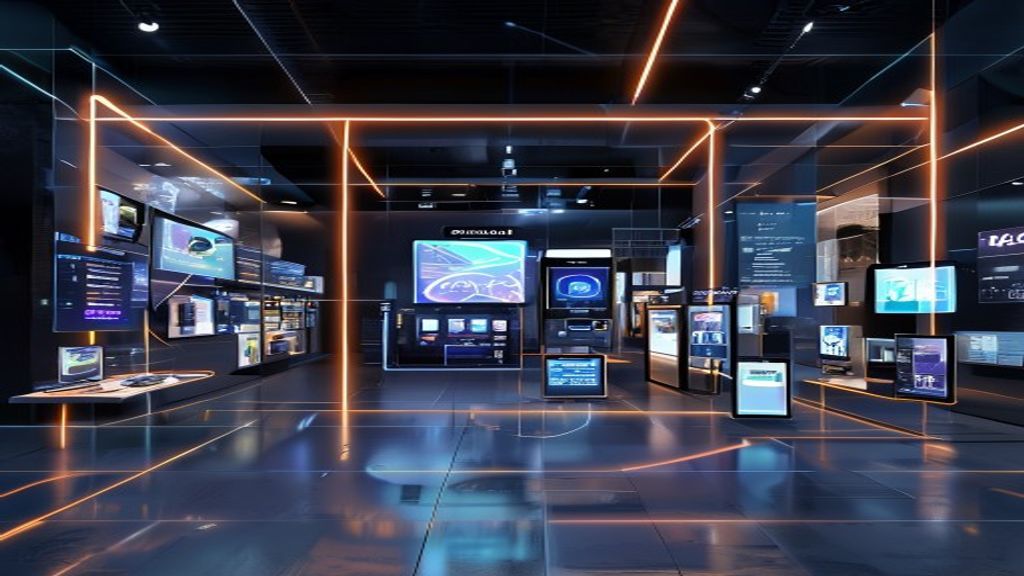
Retail is undergoing a transformation that feels less like an update and more like a reinvention. Customers now expect seamless experiences across mobile apps, storefronts, social channels, voice assistants, smart devices, and even in-store kiosks. Meanwhile, businesses need speed, flexibility, and lower long-term technology risk. This is where headless commerce comes in.
Headless commerce decouples the front end (the customer experience) from the back end (payments, catalogs, pricing, order management, and fulfillment). Instead of tightly binding the customer-facing storefront to the underlying commerce platform, headless architecture uses modern APIs to let each side evolve independently. The result: faster performance, more personalization, better omnichannel reach, and the agility to innovate without rewriting everything every time trends change.
In this article, we’ll explore why headless commerce is quickly becoming the future of retail, how it works, what benefits matter most, and what to consider before making the shift.
What Is Headless Commerce?
Headless commerce refers to an approach where the presentation layer is separated from the commerce engine. In traditional commerce setups, the storefront and backend are built as one system. With headless commerce, the backend provides commerce capabilities through APIs, while the front end can be built with whatever technology best fits the business goals.
Traditional vs. Headless: The Core Difference
- Traditional commerce: front end and back end are tightly coupled, making changes slower and more costly.
- Headless commerce: APIs connect front end and back end, enabling independent updates and better flexibility.
How the Headless Model Works
In a headless setup:
- The back end handles key commerce functions such as product catalog, pricing, inventory, promotions, checkout, and order management.
- The front end delivers the shopping experience (web, mobile, and other touchpoints) and can be customized with modern UI/UX.
- Communication happens via APIs, typically using REST or GraphQL, allowing fast data exchange and rapid feature rollouts.
Why Headless Commerce Is the Future of Retail
Retail leaders aren’t adopting headless commerce just because it’s trendy. They’re adopting it because the retail environment demands speed, adaptability, and consistent experiences across many channels. Headless commerce aligns directly with those demands.
1) Omnichannel Experiences Without Rebuilding Everything
Today’s customers shop in multiple places. A headless architecture makes it easier to create tailored experiences across:
- Mobile apps
- Responsive web storefronts
- In-store digital experiences
- Social commerce
- Marketplaces and B2B portals
- Emerging channels like voice and AR/VR
Instead of modifying the entire platform each time you add a new channel, you can build or update the front end for each touchpoint while keeping the same commerce back end. This shortens time-to-market and reduces maintenance complexity.
2) Faster Performance and Better Customer Experience
Retail websites and apps compete on speed. Slow load times hurt conversion rates, and latency can frustrate customers who are comparing products across multiple tabs and devices.
Headless commerce enables performance-focused front-end development. Because the storefront is independent, teams can:
- Use modern rendering strategies
- Optimize assets and caching
- Implement advanced search and recommendations
- Adopt cutting-edge frameworks without waiting on backend constraints
When your customer experience gets faster and more reliable, you typically see improvements in key metrics like conversion rate, average order value, and customer retention.
3) Greater Flexibility for Innovation
Retail technology changes quickly. New experiences—such as personalized product feeds, dynamic bundles, contextual promotions, and interactive product discovery—require fast iteration.
With headless commerce, developers can innovate at the front-end layer without being forced to reshape the backend system every time. That means:
- Front-end improvements can be shipped more frequently
- New UI patterns can be tested quickly
- Experimentation becomes safer and more scalable
In practice, this agility helps retailers respond to market shifts faster—whether that’s a new payment method, a sudden promotion strategy change, or a refreshed brand experience.
4) More Personalization, More Control
Personalization is no longer optional. Customers expect relevant recommendations, tailored content, and experiences that match their shopping intent.
Headless commerce supports personalization because the front end can integrate with best-in-class tools—such as:
- Customer data platforms (CDPs)
- Recommendation engines
- Marketing automation systems
- Analytics and personalization engines
By orchestrating these services at the experience layer (instead of depending on a monolithic platform’s limitations), retailers can deliver richer experiences while maintaining a consistent commerce foundation.
5) Cleaner Integrations With Modern MarTech and Enterprise Systems
Retail stacks rarely rely on a single platform. Businesses connect commerce systems with:
- ERP systems
- CRM platforms
- Warehouse and inventory solutions
- Payment providers
- Fraud detection services
- Email and SMS platforms
APIs make integration easier and more standardized. Because headless commerce is built around API communication, it often fits more naturally with the rest of a modern enterprise architecture. This reduces friction when adding new tools or reconfiguring workflows.
6) Reduced Vendor Lock-In and Lower Long-Term Risk
Monolithic commerce platforms can be limiting. When the front end and back end are coupled, even simple UX changes may require vendor-driven work or complex upgrades.
Headless architecture can provide more control:
- You can choose front-end technologies based on your team’s strengths and roadmap
- You can evolve the presentation layer without disrupting core commerce operations
- You can replace or upgrade components over time without a full platform rewrite
While every migration requires planning, the long-term flexibility is a major reason headless commerce is often viewed as future-proof.
Key Use Cases Where Headless Commerce Shines
Headless commerce isn’t one-size-fits-all. However, certain retail scenarios strongly benefit from decoupled architecture.
Brands With Multiple Channels
If your business sells through web, mobile apps, social, and in-store experiences, headless commerce supports consistent brand experiences across channels with less bottleneck risk.
Retailers Running Frequent Promotions and Experiments
For retailers that rely on constant experimentation—new landing pages, new promotions, A/B testing for layout and merchandising—independent front-end deployments can dramatically improve speed.
Complex Catalogs and High Inventory Volumes
When products, variants, and inventory rules are complex, stability in the commerce engine matters. Headless architecture allows the back end to remain consistent while the storefront experience evolves.
B2B and B2C in One Organization
Many retailers serve both B2C consumers and B2B buyers with different requirements—catalog visibility, pricing rules, account access, and checkout flows. Headless commerce can enable distinct storefront experiences for each audience while sharing commerce capabilities.
Challenges and Considerations Before Adopting Headless Commerce
Headless commerce offers major advantages, but it’s important to understand the trade-offs. The future is promising, but successful adoption requires thoughtful planning.
1) Implementation Complexity
Decoupling front end and back end can add architectural complexity. You’ll need to ensure:
- API design and performance are solid
- Authentication and authorization are secure
- Data consistency is handled properly
For many teams, this means either building new internal capabilities or working closely with experienced partners.
2) Skills and Team Enablement
Headless commerce often requires expertise in:
- Modern front-end development
- API integration
- Performance optimization for storefronts
- Platform observability (monitoring and debugging)
Retailers may need training or new hires to make the most of the architecture.
3) Governance and Content Management
If the storefront is decoupled, content operations must be managed carefully. Retailers typically use a separate content management system (CMS) or headless CMS approach.
Consider how your team will:
- Publish pages and product content
- Manage localization and translations
- Handle approvals and brand compliance
- Maintain consistent merchandising logic
With the right governance, content workflows can become smoother. Without it, teams may experience fragmentation.
4) SEO Requires Careful Planning
Headless commerce can still be SEO-friendly, but it requires intentional configuration. Search engines need reliable access to content, metadata, and structured data.
Best practices include:
- Server-side rendering (SSR) or pre-rendering for key pages
- Proper routing and canonical tags
- Schema markup for products, reviews, and breadcrumbs
- Performance optimization (Core Web Vitals)
Done correctly, headless commerce can support excellent SEO outcomes.
How to Get Started With Headless Commerce
If you’re evaluating headless commerce for your retail business, a smart approach can reduce risk and accelerate value.
Start With a Clear Roadmap
Rather than trying to rebuild everything at once, define goals like:
- Improving site speed
- Launching a new mobile experience
- Expanding into new markets or brands
- Enabling faster promotions and personalization
Prioritize projects that benefit most from decoupling the storefront layer.
Choose the Right Back-End and API Strategy
Focus on stability and long-term maintainability. Ensure the commerce platform supports:
- Robust product and pricing logic
- Flexible checkout and payment flows
- Reliable inventory and order processing
- API performance at peak traffic
Design for Performance and Observability Early
From day one, plan for:
- Monitoring and logging across front end and back end
- Performance budgets and optimization workflows
- Error handling and fallbacks for API failures
This helps teams troubleshoot quickly and protect customer experience during peak campaigns.
Plan SEO From the Beginning
Don’t retrofit SEO later. Build SEO into the architecture decisions, especially for rendering strategy and structured data.
Headless Commerce and the Retail Tech Stack: What’s Common?
Headless commerce rarely exists alone. A typical modern stack might include:
- Headless CMS for content and merchandising
- Commerce platform back end for catalog, pricing, checkout, and order management
- Front-end framework for the storefront experience
- Analytics and personalization tools for customer insights
- Search and recommendations for product discovery
The best setups emphasize compatibility, performance, and clear ownership of each responsibility in the system.
Is Headless Commerce Worth It?
For many retailers, the answer is increasingly yes—particularly when they need:
- Faster innovation cycles
- Omnichannel capabilities
- Improved performance and customer experience
- Better personalization and integrations
- Reduced long-term constraints from tightly coupled platforms
However, “worth it” depends on your objectives, team readiness, and willingness to invest in architecture and governance. The biggest winners are often retailers with complex needs or ambitious digital roadmaps.
The Future of Retail Is Experience-First—and Headless Enables It
Retail is moving toward a world where commerce isn’t just a website. It’s an experience delivered through many touchpoints, personalized in real time, and optimized for speed and relevance. Headless commerce supports that future by giving retailers control over the front-end experience while keeping commerce operations reliable and scalable.
As customer expectations continue to rise, the retailers that can innovate quickly, integrate seamlessly, and deliver consistent omnichannel experiences will win market share. Headless commerce isn’t just a technical upgrade—it’s a strategic shift toward experience-first retail.
If you’re planning your next growth initiative, headless commerce is worth serious consideration. With the right roadmap and implementation approach, it can become the foundation that powers your retail innovation for years to come.
document.head.appendChild(script);
document.head.appendChild(script);
document.head.appendChild(script);